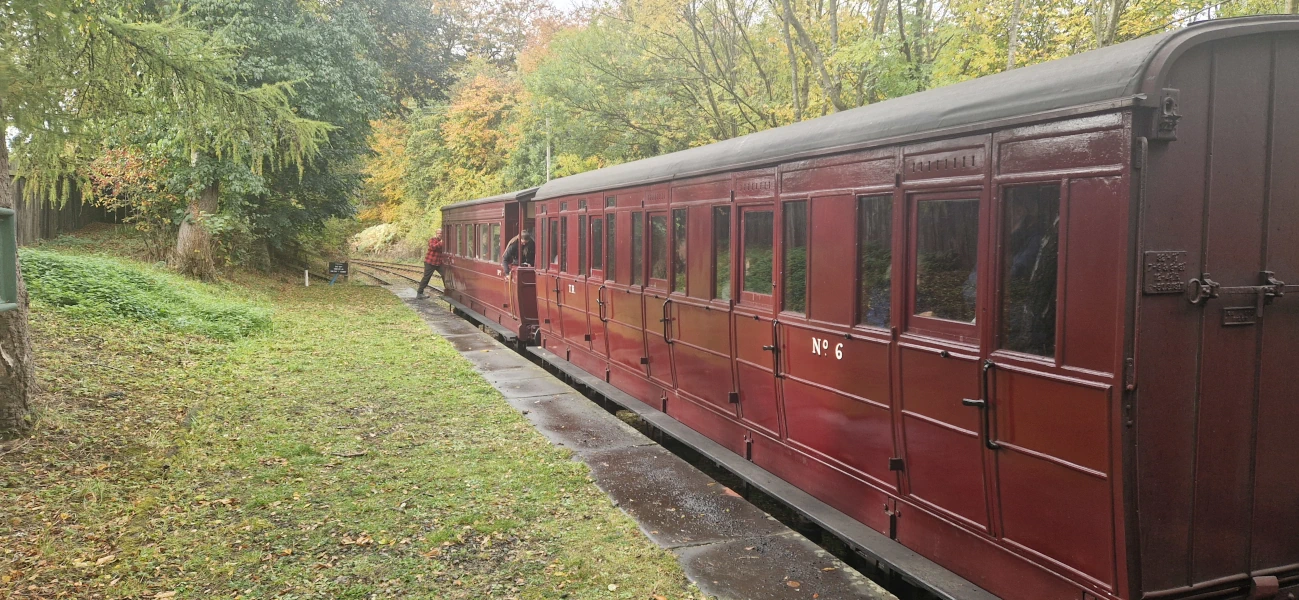
Hello. I’ve been to see some old trains. I thought you might like to hear about it.
The Tanfield Railway likes to brand itself as “the world’s oldest railway”, operating since 1725. It’s the sort of boast that tends to come with asterisks attached, but it’s worded specifically enough that i think it might just be true.
Is it the world’s first railway? Not by a long shot. The use of wheels in rails for transport goes back to the 1550s in Germany, and it was introduced to Britain soon thereafter. If you want to be really pernickety, you could even go back to ancient Greece, where a grooved Díolcos carried sea vessels over the inconvenient Isthmus of Corinth.
Is it the world’s oldest passenger railway? Heavens, no — Wales’ Oystermouth Railway started carrying passengers over by horse in 1807, and the Stockton and Darlington let them aboard its steam trains from 1833, whereas the Tanfield wouldn’t begin its (short-lived) passenger operations until 1842.
But… It is, as far as i can tell, the oldest physical stretch of (non-funicular) railway in the world which regularly carries trains today. Which seems good enough.
I snatched my tickets for the very last day of the operating season, when they were holding their big “gala” event, so if you’re hoping to use this as a visitor’s guide then this post will be utterly unhelpful, sorry. We started our day at East Tanfield, with a vintage bus parked outside, a nice little café, and some live tunes in the reception area courtesy of the Cloth Cappers.
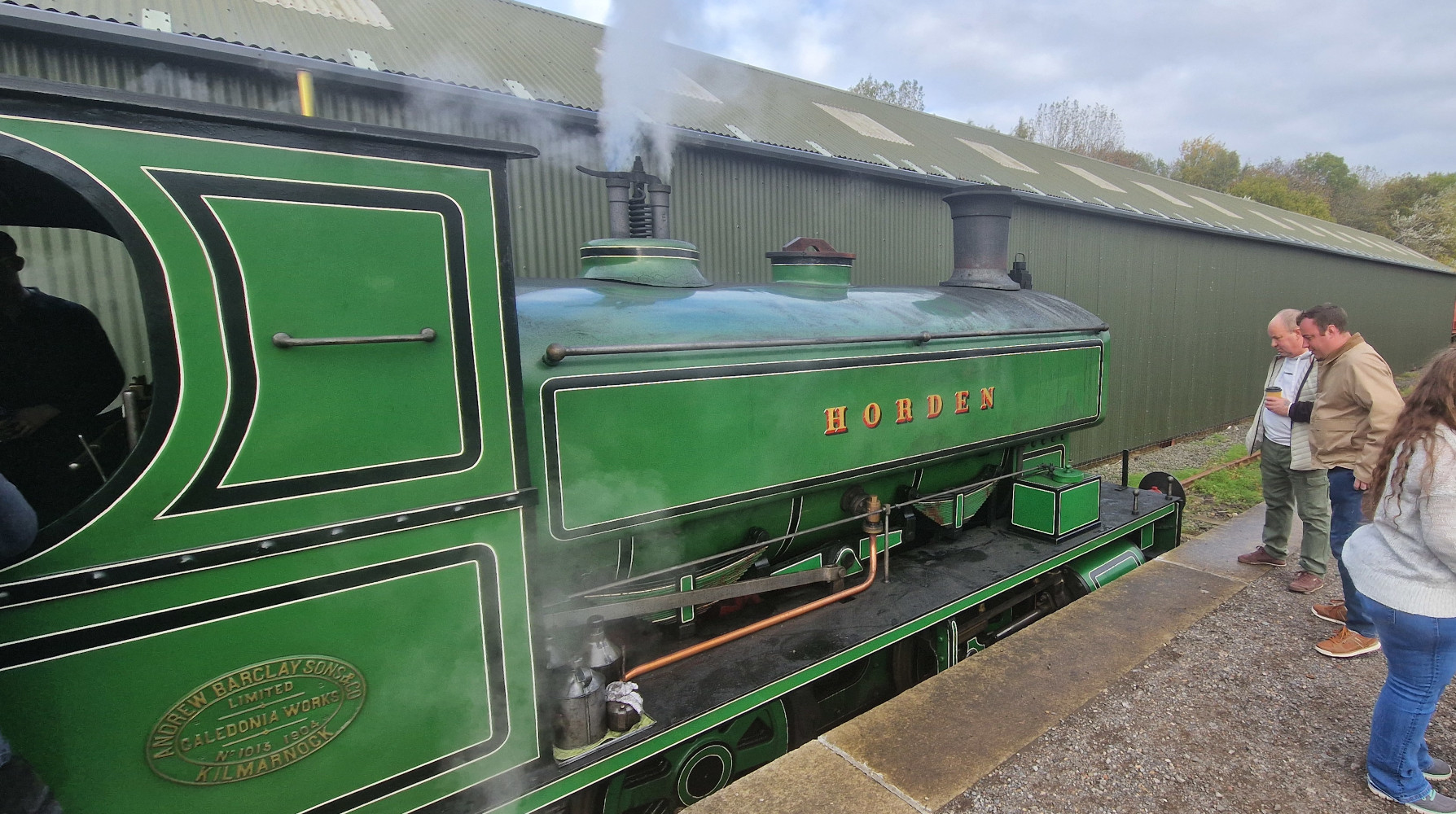
I don’t think i’d ever seen so many flat caps in one place before stepping out onto the platform. While we all waited for a train to arrive, kids and anoraks alike were entranced on the bay platform by Horden, a canny green National Coal Board locomotive making a right show of tooting its horn and puffing away, even if it didn’t have anywhere to go at the moment:
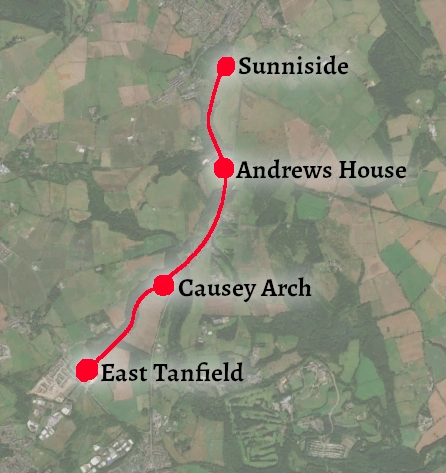
At last, our train arrived, pulled by a wartime loco rebuilt à la Thésée, and i, for my part, shuffled into third class like a good little plebeian. It was a strange mix of cramped and spacious — you get your own little compartment, leaving you free to sprawl wide open if noöne else is in there with you, but it’s easy to imagine people must have been packed in there like sardines back in the day. We sailed past the Causey Arch without stopping, before a brief stop at Andrews House (where i’d be doubling back later) and a subsequent slow ride to the terminus at Sunniside.
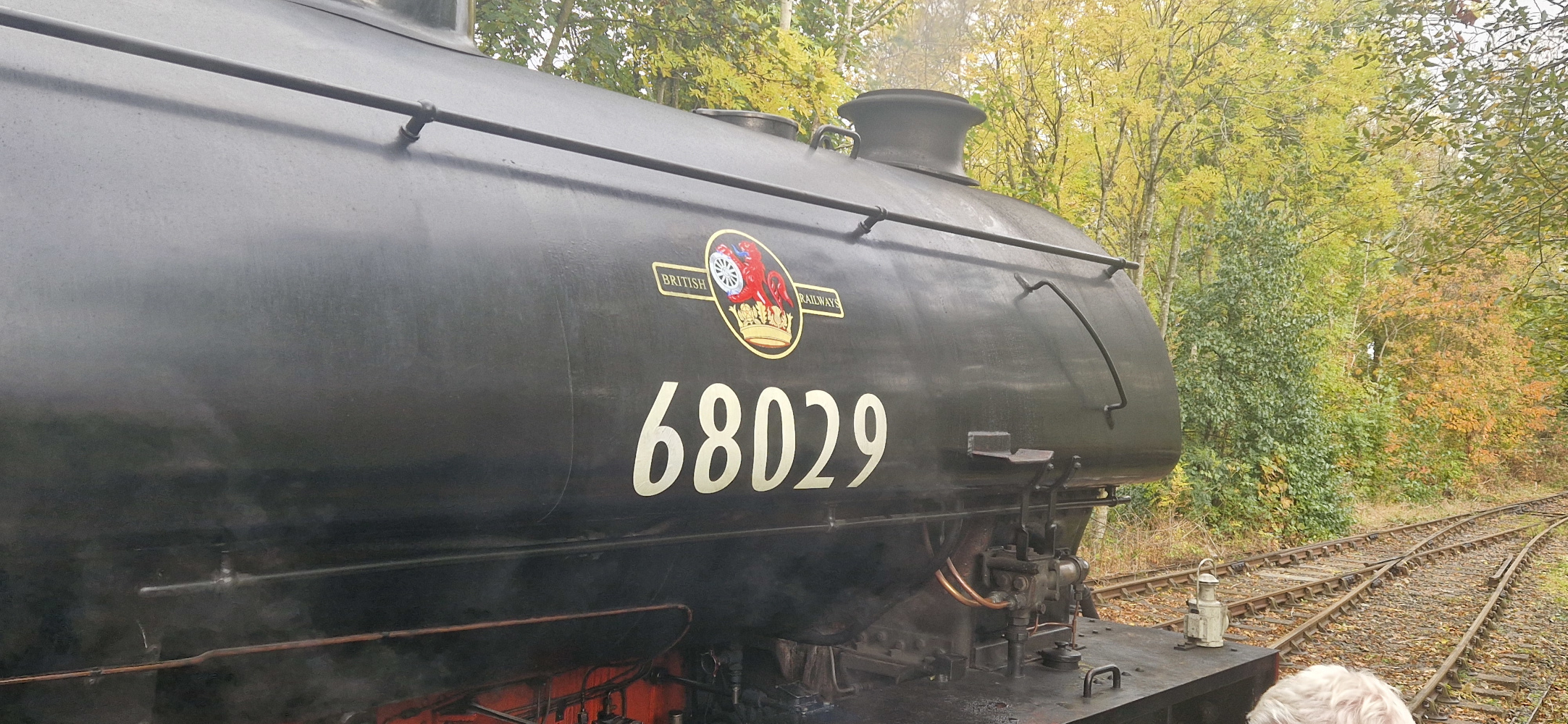
Alas, the terminus isn’t particularly photogenic, and there’s not much to see, but it did let me get a good shot of the British Railways badge on the locomotive as it prepared to turn around:
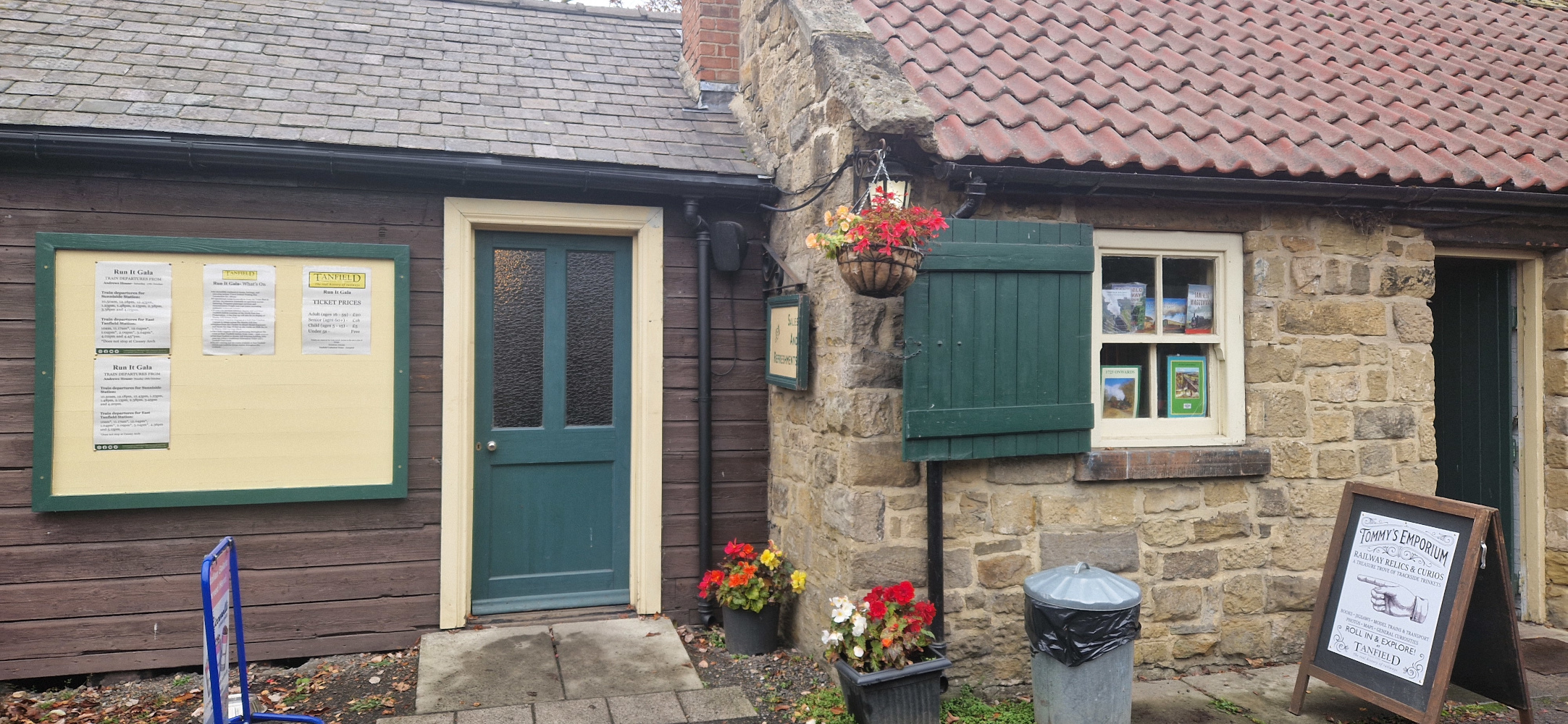
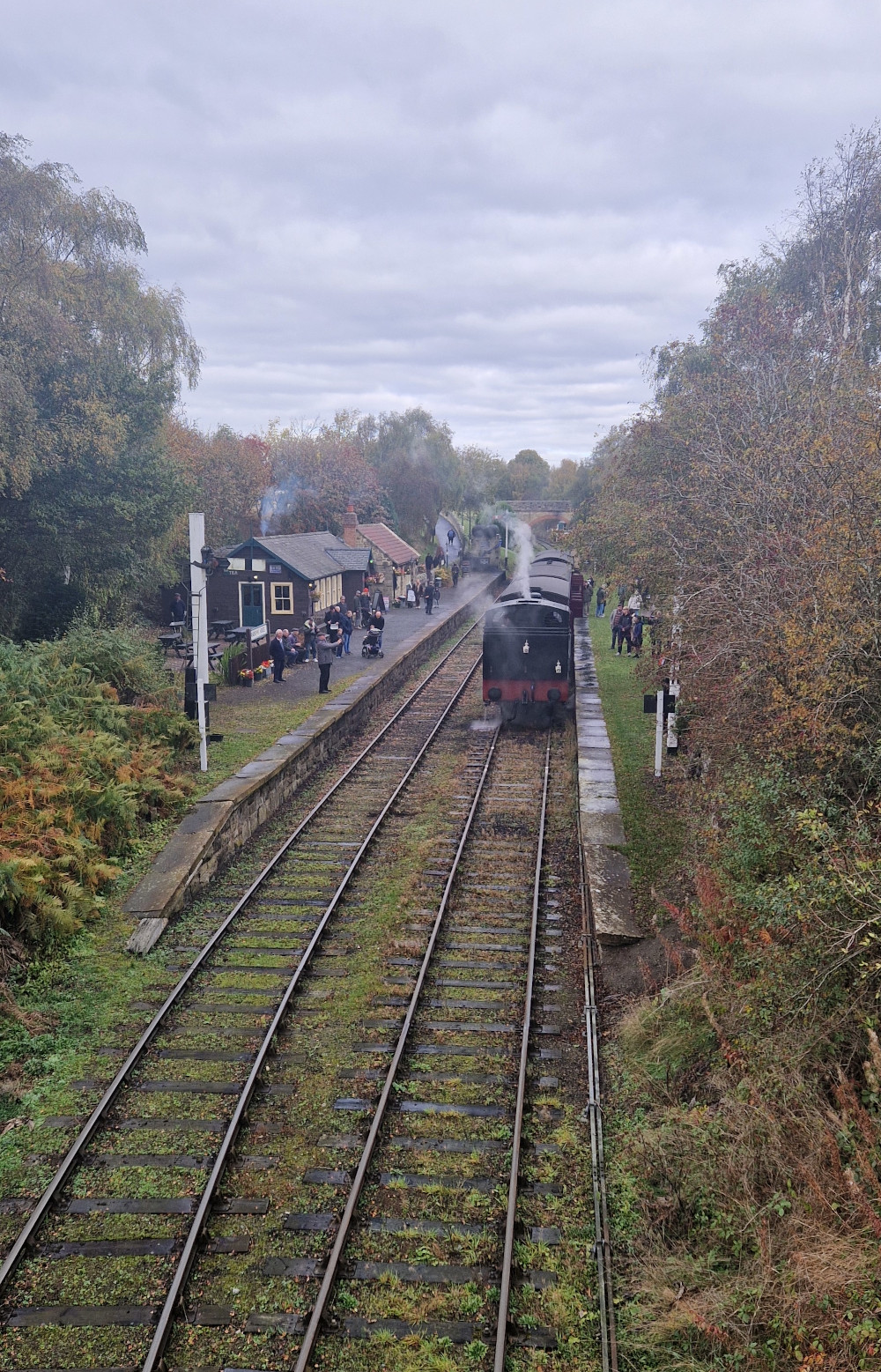
Back at Andrews House is the line’s most substantial station, a cute little cottage featuring a footbridge for easy trainspotting, another café, and, most salivatingly, a used bookshop specialising in trains, trains, and nothing but the trains.1 Obviously, then, i dashed straight in, and after a long conversation with an old man in a jacket who might have been a volunteer or might have just been a fellow nerd, left with three books on the railways that became the Tyne and Wear Metro for just £10. (I’m sure this purchase will provide me much fodder for future blog posts, if i can ever be bothered to write them.)
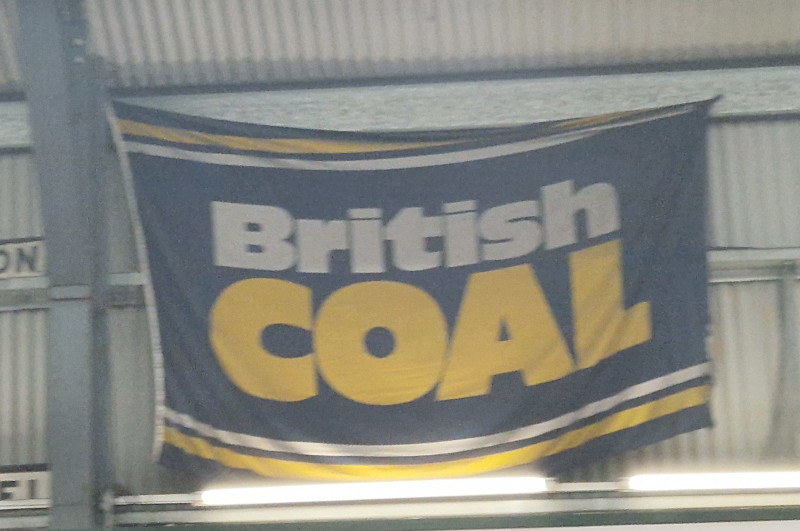
Finally, just up the hill from there, we find the Marley Hill depot, where trains are fixed up and any old railway artifacts that couldn’t find a better home are stashed. I’m fond of this big British Coal banner myself, because, really, the miners have always deserved their own pride flag too:
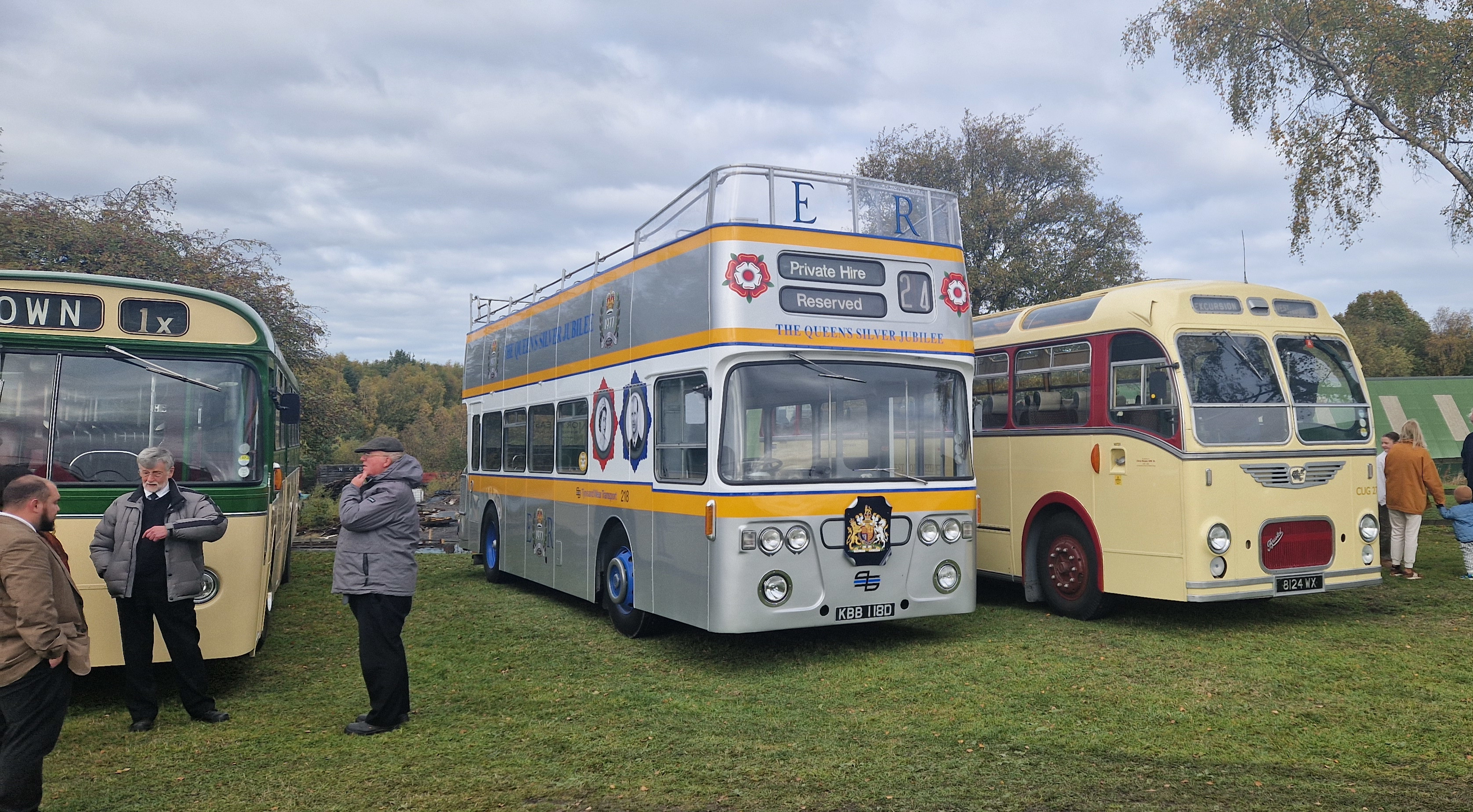
On the parking lot between, all sorts of doohickeys were on display, from a vintage steamroller to an army of old preserved buses, for those who like their transport heritage more on the road-going side. The fine people at the North East Bus Preservation Trust were also running the shuttle service back to Tanfield, an old double-decker whose last gasp of normal service was as a converted tourist sight-seer. I climbed straight to the top, like the giddy child i am, which turns out to be less than ideal when it’s six degrees out and windy as all fuck. …And so that’s the story of how i ended my lovely day out shivering my cheeks off on a creaky open-top bus careening down the main road.
Information for visitors
If you, too, would like to see some old trains, then too bad, because it’s closed until the spring. That said, should everything be the same when they start up again, here’s what you’ll want to know:
- Admission: £16.22 per adult, £14.31 per senior, £5.30 per child (or 25% off if you travel by bus)
-
Address:
- Andrews House: Engine Shed, Marley Hill, Burdon Plain; Gateshead NE16 5ET
- East Tanfield: East Tanfield Station, Tanfield Railway, New Front St, Tanfield Lea, Stanley DH9 9UY
- Accessibility: Accessible toilets are available at Andrews House and East Tanfield, and the railway’s official website states that a wheelchair-accessible partment is “usually available”.
- Arriving there: Andrews House is regularly served by the X30, X31, and X32 buses from Newcastle and Stanley.
Leave a comment